Outdoor LED Lighting—What Do You Need to Know?
Outdoor lighting is a big part of our lives, playing a vital role in improving the safety, functionality, and aesthetics of any space. Outdoor LED lighting is also very important and closely related to our lives. From illuminating paths and parking lots to highlighting architectural features, the right lighting can transform your outdoor environment.
In this guide, we will cover everything you need to know about outdoor LED lighting, including its benefits, types and installation considerations.
How to Choose Quality Outdoor LED Lighting?
There are various categories of outdoor LED lighting. How can we choose the right and high-quality ones? So what are the important factors for the outdoor lighting we choose?
Energy saving is the main reason
When choosing outdoor lighting, we now mainly choose LED products. Because it uses up to 75% less energy than traditional lighting technology. This means significant cost savings and reduced environmental impact, making it an environmentally friendly choice for large and small lighting projects.
Longevity
Generally speaking, high-quality LED lights last up to 50,000 hours, far longer than traditional lighting solutions. This means you spend less money later because you don’t need to replace them as often, and the maintenance costs are also low.
Durability
LED lights are designed to withstand harsh outdoor conditions and are made of sturdy materials. They are resistant to temperature fluctuations, moisture, and physical shock. This makes them ideal for a variety of outdoor environments.
Instant lighting
Unlike traditional lighting that requires warm-up, LED lights provide instant full brightness. This is critical for outdoor security, safety and functional lighting applications.
Flexible Design
LED technology enables excellent design flexibility. Whether it is color, function, beam angle and dimming options, etc., it can create lighting solutions that are both creative and practical.
Types of Outdoor LED Lighting
Different outdoor spaces require different types of lighting. Here are some of the most popular outdoor LED lighting options for your reference. If you need LED strip for outdoor, pls read 8 Ways to Choose the Outdoor LED Strip Lights
Street Lighting
LED street lights provide bright, even illumination, making roads safer for drivers and pedestrians. LED street lights have better light distribution, reducing glare and dark spots. They are energy-efficient and durable, reducing maintenance costs for municipalities.
Parking Lot Lighting
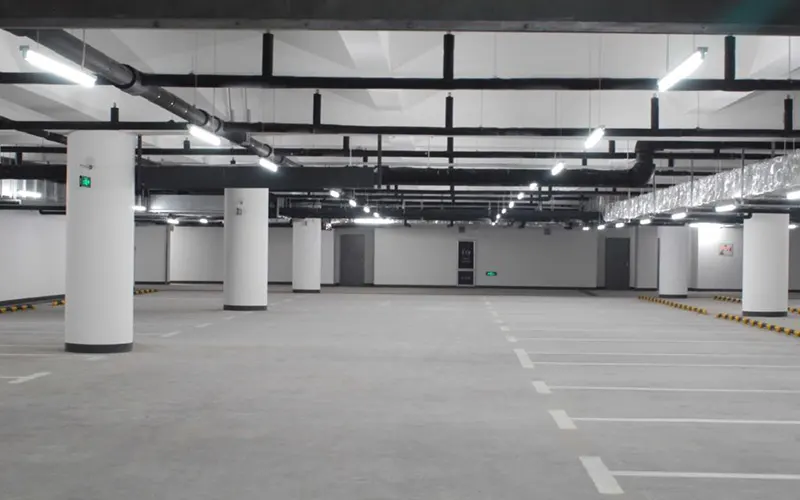
Parking lots require constant and bright enough lighting to ensure the safety of vehicles and pedestrians. LED parking lot lights provide high brightness while minimizing shadows and dark areas, thus deterring potential criminal activity. They also operate effectively in extreme weather conditions, making them a reliable choice.
In addition, LED fixtures can be equipped with motion sensors or dimming features to further improve energy efficiency by reducing light output during low-traffic hours.
Pathway Lighting
Pathway LED lighting is also very heavy duty because it serves a dual purpose: ensuring safety and enhancing the beauty of the sidewalk. By illuminating the path, LED lights prevent accidents caused by tripping or uneven pavement.
These pathway lighting fixtures come in a variety of styles, such as bollard lights, recessed fixtures, and low-profile designs that blend seamlessly with the landscape.
Architectural Lighting
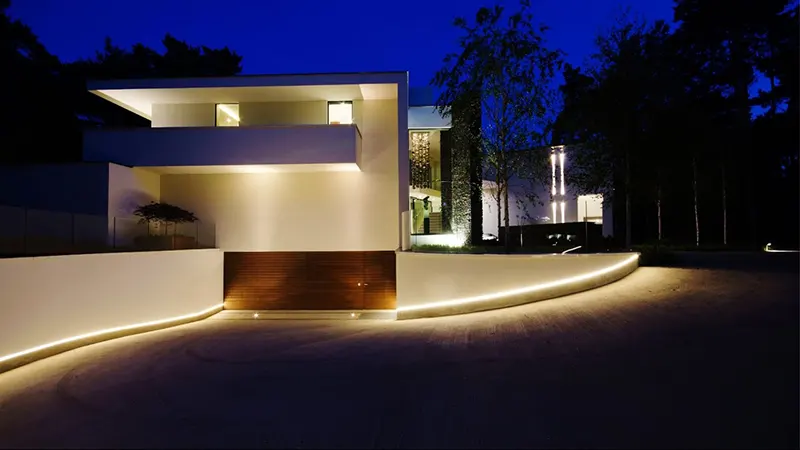
Architectural LED lighting is designed to highlight the unique features of buildings, bridges, and other structures. This is accomplished by using technologies such as uplights, wall washers, and contour lights.
It is also used to illuminate pathways, creating eye-catching visual effects and enhancing the overall appearance of a building. These fixtures are often programmable, with dynamic colors and patterns that can be customized for events or holidays.
Landscape and Decorative Lighting
LED landscape lights are perfect for highlighting outdoor features such as gardens, fountains and statues. These fixtures not only enhance the beauty of their surroundings, but also create a tranquil and relaxing atmosphere.
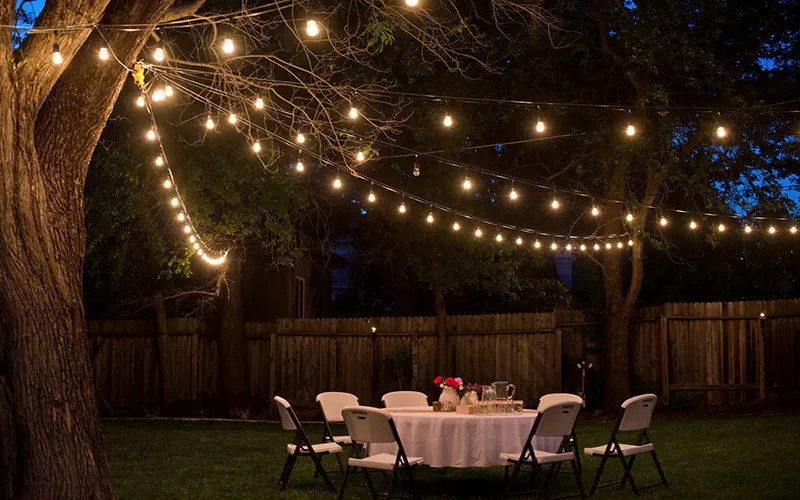
Decorative options such as garden lights, fairy lights and lanterns are versatile and can transform patios, decks and backyards into charming gathering places. Their energy-saving and weatherproof design make them ideal for year-round use.
Sports Court Lighting
High-performance LED floodlights and high-bay lights are commonly used in sports fields, including tennis courts, basketball courts, and football fields. These fixtures provide bright and focused lighting, ensuring that athletes and spectators have optimal visibility during nighttime games.
LEDs are preferred over traditional halogen or metal halide lamps because of their instant-on functionality, consistent brightness, and lower energy consumption. Their durability also makes them ideal for outdoor sports environments, where they can withstand impact and weather challenges.
What Factors Should We Consider When Choosing Outdoor LED Lighting?
When we are choosing the right outdoor LED lighting, no matter where it is used outdoors. We need to seriously consider the following factors:
Brightness
Brightness (measured in lumens) is the key factor in determining the lighting effect of an area. The required brightness depends on the specific application. We need to consider the purpose of the installation: security considerations, decorative lighting only and lighting that increases security.
If it is a security consideration, high-lumen LED lights are essential for illuminating large areas and deterring intruders. For decorative or ambience purposes, low-lumen lights are sufficient to create a softer, more welcoming atmosphere.
For outdoor spaces such as paths, gardens and porches, high brightness can enhance security while adding a touch of elegance.
Color Temperature
The color temperature of LED lights is measured in Kelvin (K), which affects the atmosphere and functionality of outdoor spaces. Outdoor lighting is mostly available in 3000K, 5000K and RGB lighting. Of course, different scenarios use different color temperatures.
- Warm white light (3000K): emits a slightly yellowish glow, creating a comfortable and relaxing atmosphere, perfect for patios and residential landscapes.
- Cool white light (5000K): produces a bright daylight effect, ideal for security lighting and commercial areas that require higher visibility.
- RGB: RGB can be used for outdoor signs and garden lighting, making it a versatile choice for general outdoor applications.
Beam Angle
Many outdoor products have beam solutions to choose from, because the beam angle determines the spread of the light from the lamp. For example, outdoor wall washers, LED spotlights and LED floodlights.
- Narrow beam angles (15°-30°) focus the light on a specific area, which is ideal for highlighting architectural features or creating a spotlight effect on trees and sculptures.
- Wide beam angles (60°-120°) provide a wider coverage area and are suitable for general lighting in open spaces such as driveways and parking lots.
Choosing the right beam angle ensures that the light is effectively directed to avoid unnecessary glare or dark spots.
Power Source
Outdoor LED lights can be powered in a variety of ways, and choosing the right power source is critical for performance and convenience. So waterproofing is important.
AC-powered lights: connect directly to the power grid and are suitable for permanent installations that require a stable power supply.
Solar-powered lights: have built-in solar panels, which are environmentally friendly and affordable, especially for areas with abundant sunlight. Especially suitable for remote areas where wiring is not possible.
Energy Efficiency
Energy efficiency is a hallmark of LED lighting, but not all LEDs are created equal. Choose fixtures with high lumens per watt (lm/W) to maximize energy savings.
Efficient LEDs not only reduce your electricity bills, but also minimize environmental impact by reducing energy consumption.
Also, consider fixtures with dimming capabilities or motion sensors to further save energy during periods of low activity.
Durability
Outdoor LED lights must be able to withstand a variety of weather conditions, including rain, snow, and extreme temperatures. To ensure longevity, choose fixtures made from durable materials such as:
- Aluminum: This is a top choice, lightweight and corrosion-resistant, making it ideal for areas prone to moisture.
- Stainless Steel: Offers superior strength and durability for harsh environments.
- Polycarbonate: Is impact-resistant, making it ideal for areas where the fixture may be subject to physical stress.
Understanding IP Ratings for Outdoor LED Lighting
IP (Ingress Protection) ratings are crucial when choosing outdoor LED lights. When choosing them, you need to carefully check their waterproof rating. Common IP ratings include:
- IP44: Suitable for areas with minimal exposure to rain, such as covered patios.
- IP65: Offers protection against water jets, making it ideal for most outdoor applications.
- IP67: Provides protection against immersion in water, suitable for fountains and underwater installations.
- IP68: Designed for prolonged immersion, ideal for extreme conditions.
How to Safely Install Outdoor LED Lighting?
No matter what kind of outdoor LED lighting you use, it needs to be installed correctly. Because correct installation ensures the safety and optimal performance of outdoor LED lighting. You can refer to the following steps:
- 1. Plan Your Layout: Determine where the lighting needs to be located and plan the location of each fixture.
- 2. Choose the Right Power Source: Generally, outdoor lighting products have built-in power supplies. And some products require you to choose the power supply yourself. So make sure the power supply matches the voltage and wattage of the LED lamp.
- 3. Use Weatherproof Connections: se waterproof housings or silicone seals to protect electrical connections. Of course, all accessories and lighting products must be waterproof.
- 4. Secure Fixtures Properly: Use sturdy mounts or brackets to keep the fixtures in place, especially in areas prone to strong winds.
- 5. Test Before Final Installation: Before permanently installing the lamp, test whether it can be lit normally, and check all connections and functions.
Conclusion
Outdoor LED lighting products offer many benefits, from energy saving to enhanced safety and aesthetics. By understanding how to correctly select key factors for outdoor products and following best practices, you can create a beautiful, bright outdoor space that will impress your guests and enhance your lifestyle.
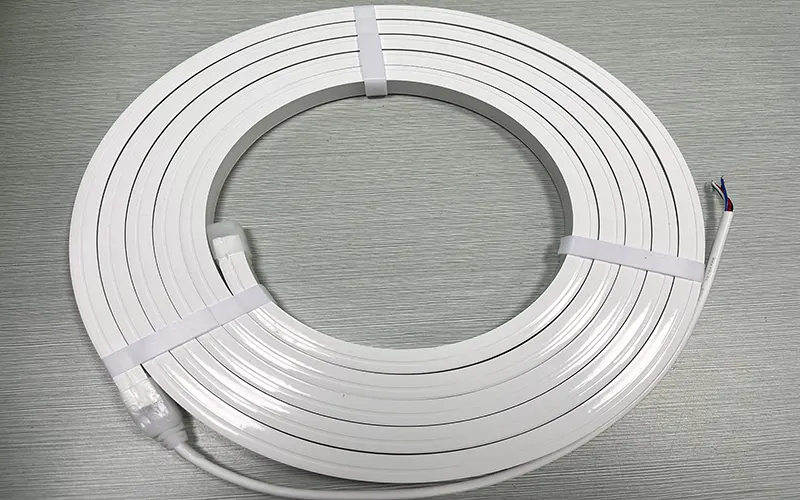
Our LED neon strips are all supported for outdoor lighting and come with a 3-5 year warranty. Please consult us if you have any needs.