LED Strip Wattage Guide: How Wattage Affects Brightness, Power Consumption, and Lighting Performance
When selecting the right LED strip lights, it is essential to consider power (wattage), as it directly impacts overall performance, brightness, energy consumption, and lifespan. The choice of power supply capacity is also a key factor. This article explores how power affects the brightness, energy consumption, and lighting performance of LED strips, helping you make the right choice based on your specific needs.
Understanding LED Strip Wattage Guide
Power refers to the amount of electrical energy an LED strip consumes over a given period. Typically measured in watts (W), it is a key factor determining the strip’s energy consumption. Simply put, the higher the wattage, the more electricity the LED strip consumes.
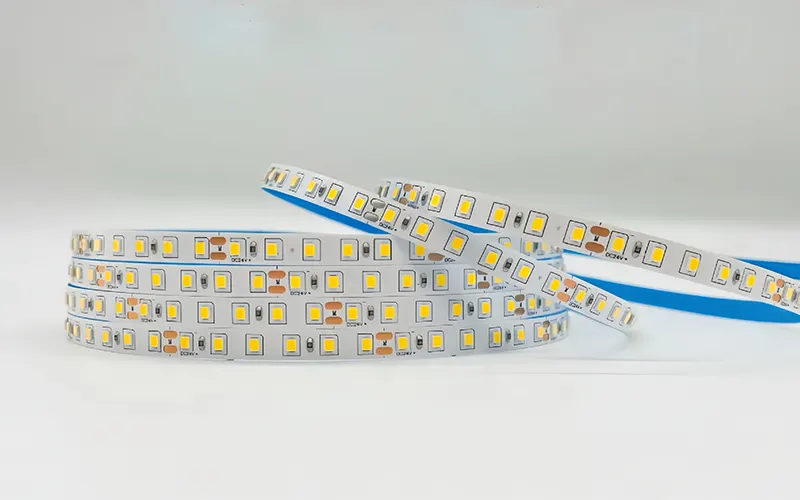
Power ratings vary across different LED strip models—common options include 5W, 10W, 15W, or even higher—depending on the strip’s brightness and dimensions.
For instance, a 10W LED strip consumes more power than a 5W version but also delivers higher light output. Understanding power ratings is crucial when deciding how many strips to use, estimating energy consumption, and determining the required brightness.
While power is a measure of energy consumption, it is also directly linked to the LED strip’s brightness and performance. Generally, higher wattage results in greater brightness, though it also entails increased energy consumption and higher heat generation.
How Wattage Affects LED Brightness?
In fact, wattage directly influences the brightness of LED strips. Higher-wattage LED strips generally produce a higher luminous flux (measured in lumens). The more power an LED strip consumes, the more light it emits, resulting in greater brightness. More details, pls read Does Lighting Design Affect Energy Consumption?
For example:
- A 4W LED strip typically produces soft ambient light, making it suitable for mood lighting or areas where high brightness is not required.
- 10W or 12W LED strips offer much higher brightness, making them ideal for functional lighting, workspaces, or areas that require ample light to illuminate the surroundings.
However, it is important to note that wattage is not the only factor determining brightness. The quality of the LEDs themselves and the type of diffuser used also play significant roles. While increasing wattage can boost brightness, choosing the highest-wattage strip is not necessarily the best option.
How to Choosing the Right Wattage for Your Lighting?
Selecting the appropriate wattage for LED strip depends on several factors, primarily the size of the area to be illuminated, the intended use, and your specific lighting requirements. The following guide can help you choose the right wattage for your project:
1. Purpose of the Lighting
- For accent lighting or creating ambiance, low-wattage strips (4W–6W) are usually sufficient.
- For task lighting or areas requiring bright, focused light (such as kitchens or workspaces), high-wattage strips (10W–15W or higher) are the ideal choice.
2. Size of the Area
- For small-scale lighting, low-wattage LED strips are the preferred choice.
- For larger areas (such as an entire room or a commercial space), you may need higher-wattage LED strips to ensure even light distribution.
3. Energy Efficiency Considerations
- When energy efficiency is a priority, choose LED strips with lower wattage but higher lumens per watt. This provides bright lighting while consuming less power.
4. Voltage and Power Supply
- When purchasing LED strips, always verify the rated voltage and ensure the power supply can handle the required power load. For instance, 24V LED strips typically have a higher power draw than 12V strips; therefore, a compatible power supply is required to prevent overloading. More information, pls check In fact, wattage directly influences the brightness of LED strips. Higher-wattage LED strips generally produce a higher luminous flux (measured in lumens). The more power an LED strip consumes, the more light it emits, resulting in greater brightness. More details, pls read Does Lighting Design Affect Energy Consumption?
- For longer installations, a 24V system offers greater stability. It also reduces the need for multiple power injection points and minimizes voltage drop as much as possible.
What is the Direct Relationship Between the Power of LED Strips and Heat Generation?
Heat generation is a critical factor to consider when using high-power LED strips. Due to their higher energy consumption, these strips often generate significant heat.
Although LEDs are far more energy-efficient than traditional incandescent bulbs, they still produce heat during operation, making heat dissipation an important consideration.
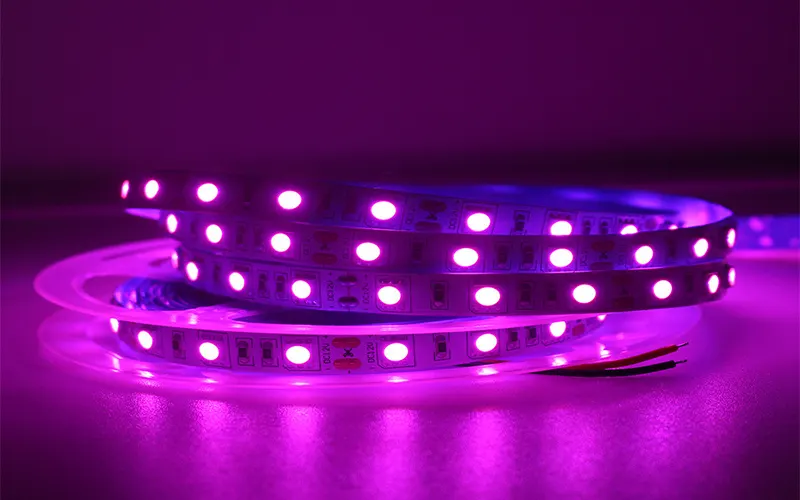
Excessive heat can have several implications:
- Overheating can shorten the lifespan of the LED strip and lead to performance issues.
- High heat can also diminish the color quality and cause the LEDs to become dimmer over time.
- For high-wattage LED strips, proper heat dissipation is crucial to maintain efficiency and prevent damage. Many LED strips come with built-in heat sinks or aluminum backing to help with heat dissipation, but in some cases, external cooling solutions might be necessary.
If you plan to use higher-wattage LED strips for a large area, make sure the environment is well-ventilated and the strips are installed with adequate heat management.
How Does Wattage Affect the Lifespan of LED Strip?
The wattage rating of an LED strip directly impacts its lifespan. High-power strips, in particular, are subject to greater thermal stress and operational loads, which can affect longevity; therefore, heat dissipation is a critical factor to consider.
- Lower wattage LED strips tend to have longer lifespans because they produce less heat and consume less power.
- Higher wattage LED strips, while brighter, may have a slightly shorter lifespan if not properly managed. Heat buildup can degrade the components over time, causing the LEDs to dim or fail faster.
To maximize the lifespan of high-wattage LED strips, proper installation is essential. This includes ensuring adequate heat dissipation and using a suitable power supply. We typically pair LED strips with heat-dissipating profiles; these not only protect the strips but also assist with heat dissipation.
Comparing Low-Wattage vs. High-Wattage LED Strip: Pros and Cons
Choosing between low-power and high-power LED strips depends on your specific requirements. It largely comes down to your intended use; here is a comparison of the pros and cons of each:
Low-Watt LED Strips (4W-6W)
Pros:
- Energy-efficient: They consume less power, which makes them more economical for long-term use.
- Longer lifespan: Lower wattage generates less heat, helping the LED strips last longer.
- Ideal for ambient lighting: It is perfect for creating soft, decorative lighting effects.
Cons:
- Low brightness: Not suitable for task lighting or for areas requiring intense or focused illumination.
- Limited coverage: May not adequately illuminate large areas or spaces requiring high levels of illuminance.
High-Watt LED Strips (10W-12W and above)
Pros:
- Brighter lighting: Suitable for workspaces, task lighting, or larger areas.
- Better for large installations: For large areas effectively without needing multiple strips.
Cons:
- Higher energy consumption: They consume more power, leading to higher electricity costs.
- Potential for heat buildup: Higher wattage LED strips generate more heat, which can reduce their lifespan if not managed properly.
Conclusion
The wattage of your LED strip significantly affects their brightness, energy efficiency, lifespan, and heat generation. When choosing the right wattage, consider the size of the area you’re lighting, the purpose of the lighting, and your energy efficiency goals.
Low-wattage LED strips are perfect for accent lighting and areas that need soft illumination, while high-wattage strips are ideal for task lighting and larger spaces that require higher brightness.